Explainer
Renovate vs Remodel vs Refresh: How to Decide What Your Room Needs
Sort the decision by what physically changes, not by vocabulary, and pick the smallest change that gets you the room you want.
Equipe Miradora8 min de leitura
Os artigos são publicados apenas em inglês.

The short answer to renovate vs remodel: renovating updates what is already there, such as paint, flooring, furniture and cabinet fronts, while the room keeps its layout and its job. Remodelling changes the room itself: where the fitted units sit, where the water and power come in, sometimes where the walls are. Below both sits a refresh, which changes only the soft things you could carry out of the door. The useful question is not which word fits, but what physically has to change. Start with the smallest change that fixes your actual problem.
Key takeaways
- A refresh changes soft goods only: textiles, lamps, art and plants. It is quick, reversible and usually renter-friendly.
- A renovation changes furniture and finishes, such as paint, flooring and cabinet doors, inside the layout you already have.
- A remodel changes fitted work and layout. Structural, plumbing, gas and electrical work usually needs licensed professionals and local approval.
- Move up a step only when the step below cannot fix the problem, and look at your room at each level before you spend anything.
Why the words get muddled, and a better way to define them
Contractors, estate agents, lenders and makeover shows all use “renovate” and “remodel” loosely. The dictionary version is that renovating makes something look new again, while remodelling changes its layout. Fair enough, but not much help when you are standing in a tired kitchen wondering where to start.
A clearer test is what physically changes. Every room has three layers:
- Soft goods. Anything you could pack into a box: cushions, throws, curtains, rugs, lamps, art and plants.
- Furniture and finishes. The pieces you live on and the surfaces you see: sofas, beds, tables, paint, wallpaper, flooring, tiles and cabinet doors.
- Fitted work and layout. Whatever is built in or connected to the building’s services: kitchen units, sinks and baths, wiring, radiators, built-in joinery, walls, doors and windows.
A refresh touches the first layer, a renovation reaches the second and a remodel goes into the third. Each step takes longer, disrupts more and is harder to undo.
Refresh: soft goods only
A refresh leaves the room’s bones and big furniture alone and changes what sits on top of them. It suits renters, new arrivals and rooms that work well but feel flat. Most of it takes a weekend, and nearly all of it moves with you when you leave.
Room refresh ideas that do the most work
- Change the light before the colour. Swap a single ceiling light for two or three lamps at different heights.
- Layer textiles. A rug big enough for the sofa’s front legs, curtains hung higher and wider than the window, a throw in a texture the room lacks.
- Edit, then add. Plenty of rooms look tired because of accumulation, not because anything is wrong with them.
- Rearrange what you own. Pulling the sofa off the wall or turning a desk towards the window costs nothing.
If you rent
Check your tenancy agreement before you drill or paint, and ask your landlord in writing if you are unsure. Keep anything you swap out so you can put it back when you leave.

Renovate: furniture and finishes
A renovation keeps the room’s layout and purpose but replaces what you see and touch. The kitchen keeps its sink where it is and gets new cabinet doors, a worktop in the same footprint, fresh paint and a new floor. The living room gets a new sofa, new flooring and wallpaper on the chimney breast.
Much of this is cosmetic work that many places let you do without a permit. New York City’s Department of Buildings, for example, lists painting, installing new cabinets and resurfacing floors among the jobs that do not need a permit. Rules differ between countries, cities and building types (flats and co-ops often have their own), so check locally rather than assume.
Paint is the fastest renovation lever and the easiest to get wrong. If colour is the change you are weighing, see our guide to testing paint colours before you commit.
Older homes need extra care
Sanding, scraping and drilling can disturb hazardous materials. In the US, the Environmental Protection Agency’s Renovation, Repair and Painting rule requires anyone paid to disturb painted surfaces in homes built before 1978 to be certified and to follow lead-safe work practices, and it recommends lead-safe methods for DIY work too. In Great Britain, the Health and Safety Executive’s guidance on managing asbestos says that if a building was built or refurbished before 2000, you should assume it contains asbestos. If you are unsure, have it checked by a qualified professional before you start.
Remodel: fitted work and layout
A remodel changes how the room is built or how it works. The sink moves to the window, a bath becomes a walk-in shower, the kitchen gains an island, or the wall between kitchen and dining room comes down. Anything that touches structure, plumbing, drainage, gas, wiring, windows or doors belongs here.
This is where you need licensed professionals and, often, formal approval. Redbridge Council in London, for example, states that load-bearing walls cannot be changed or removed without building regulations consent, and the government-backed Planning Portal suggests a structural engineer or surveyor to confirm whether a wall is load-bearing and to design the beam that replaces it. Plumbing, electrical and gas work has its own rules and qualified trades almost everywhere.
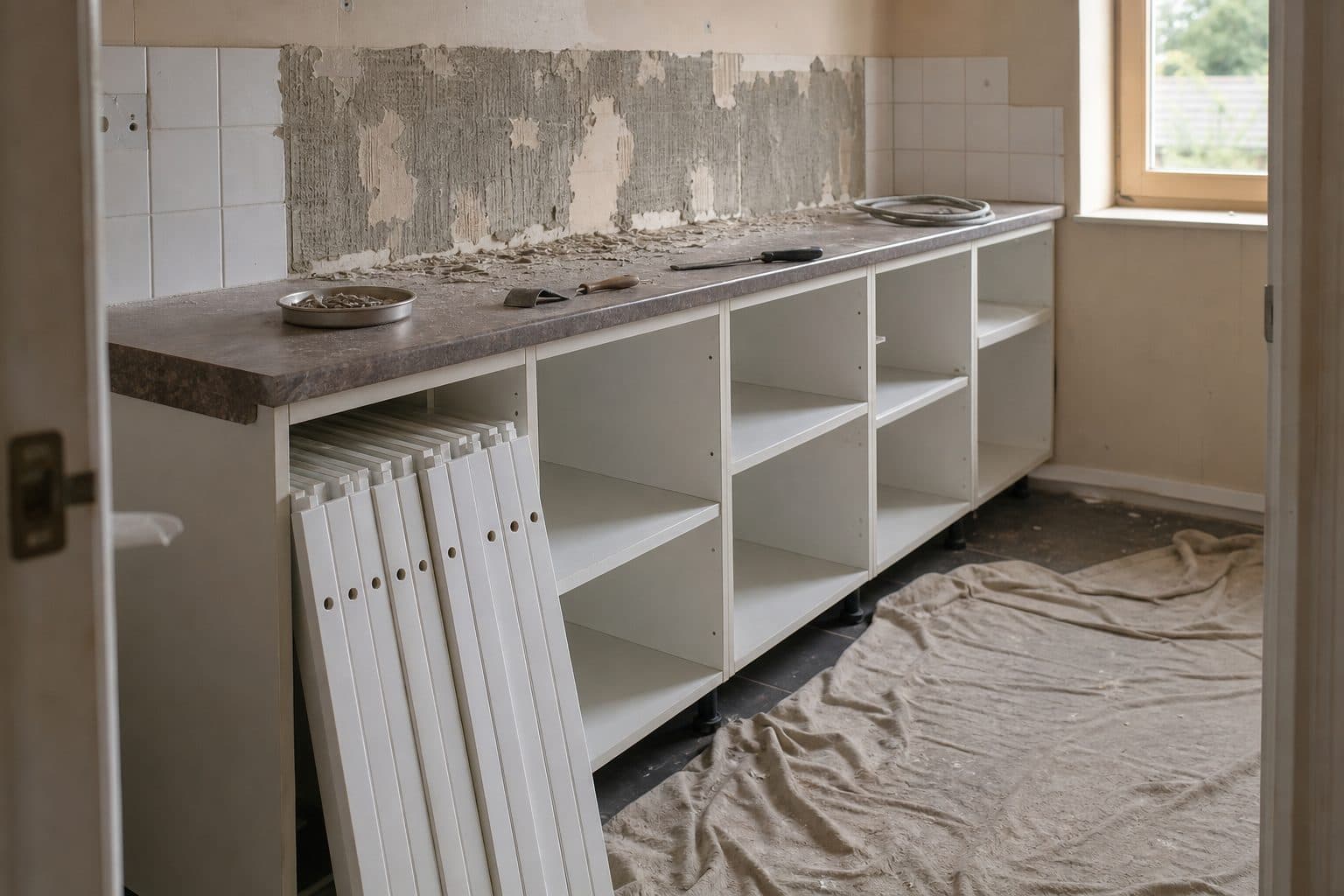
Remodels are also more disruptive. Rooms go out of use for weeks, trades work in sequence, and layout decisions get locked in early: moving a waste pipe after the floor is down is a very different job from moving a lamp.
General guidance only
This article describes categories, not your project. For structural, electrical, plumbing or gas work, and for whether you need a permit or building control approval, speak to a licensed professional and your local building department or council.
Renovate vs remodel vs refresh: the decision table
| Refresh | Renovate | Remodel | |
|---|---|---|---|
| What changes | Soft goods only | Furniture and finishes | Fitted work and layout |
| Examples | Cushions, throws, curtains, rugs, lamps, art, plants | Paint, wallpaper, flooring, tiles, cabinet doors, new furniture | Moving a sink or bath, a new kitchen layout, built-in joinery, walls, wiring |
| Typical disruption | Hours to a weekend | Days to a couple of weeks | Weeks, with the room out of use |
| How reversible | Fully | Partly: paint is easy, flooring less so | Hard to undo |
| Who usually does it | You | You, or a decorator or fitter | Licensed trades, often with a designer, architect or engineer |
| Permits and approval | None | Often none for cosmetic work; check locally | Often required; check with your building department or council |
| Renter-friendly | Usually | Only with the landlord’s permission | Rarely |
If two columns both seem to fit, try the one further left first. Move right only for a specific reason the smaller change cannot fix: no storage, a layout you walk around all day, no light where you need it, or failing services.
Which one are you?
- Refresh if the room works but feels dull, dated or not yet yours.
- Refresh if you rent, or expect to move within a year or two.
- Renovate if the surfaces or furniture are worn but the layout is fine.
- Remodel if the layout is the problem: the fridge door hits the oven, or there is nowhere for a dining table.
- Remodel if the plumbing, wiring or structure needs work anyway.
Visualize a renovation before starting: one photo, three scopes
The hard part is imagining the difference. A refresh sounds modest until you see what a rug and two lamps do; a remodel sounds exciting until the new layout looks much like the old one. Seeing the same room at each level makes the trade-off concrete.
That is the idea behind the Scope control in Miradora, which uses the same ladder. Refresh changes soft goods only. Renovate, where the setting starts, changes furniture and finishes, including flooring and cabinetry. Remodel reinterprets the fitted work too. Upload one photo, render it at each scope and compare the results.
Three settings keep that comparison fair:
- Structure lock, on by default. Miradora first works out where the walls, floor, ceiling, windows and doors are, then keeps the windows, doors and ceiling height from moving, so all three versions show your room rather than three different rooms. If it cannot read the structure clearly, it says so and suggests a wider, brighter shot instead of guessing.
- A keep list. Tick what you are not replacing, such as the flooring, built-ins or appliances, and it is left exactly as photographed.
- Ceiling height. Enter it in metres and the design will not invent a taller room than you have.
Know the limit, though. Even at Remodel scope, Miradora is built to leave the building shell as photographed: walls, openings and ceiling height stay put. It can show a new fitted kitchen along the same walls, not the room with a wall taken out; that needs a designer’s or architect’s drawings. Why AI tools move windows in the first place is covered in why AI room redesigns move your windows.
A render helps you choose a direction. It is not a quote or structural advice, AI output can be wrong, and screen colour differs from real paint, so buy a physical sample. You can start from the free interior design page with 2 credits and no account. A Redesign costs 1 credit per variation, and signing in with an email address brings your balance up to 10, enough to render all three scopes.
Start with the smallest change that works
Most rooms need less than their owners fear and more than a new cushion. Refresh first and live with it for a few weeks, renovate the surfaces that still bother you, and save the remodel for problems only a new layout can solve. Whichever you choose, get the structural, plumbing, electrical and permit questions answered by a professional before anything comes down.
Frequently asked questions
Is replacing kitchen cabinets a renovation or a remodel?
It depends on what moves. New doors, handles or worktops on units that stay where they are is a renovation. Moving the sink, hob or units into a new layout, or changing plumbing, drainage, gas or wiring to suit them, makes it a remodel. Whether you need a permit or building control approval depends on local rules, so check with your building department or council.
Do I need a permit to renovate a room?
Often not for purely cosmetic work. New York City’s Department of Buildings, for example, lists painting, installing new cabinets and resurfacing floors among jobs that do not need a permit. Structural, plumbing, electrical and gas work usually does need a permit or approval. Rules vary by country, city and building, so check with your local building department or council before you start.
What counts as a remodel?
A remodel changes how a room is built or how it works: moving or removing walls, relocating a sink, bath or toilet, changing a kitchen layout, adding built-in joinery, replacing or moving windows and doors, or rewiring. If the job involves the structure or the building’s services, treat it as a remodel and bring in licensed professionals.
Can I refresh a rented room?
A refresh is the most renter-friendly option, because soft goods such as rugs, throws, curtains, lamps, art and plants do not alter the property. Before drilling, hanging heavy items or painting, read your tenancy agreement and ask your landlord in writing. Keep any original items you swap out so you can put them back when you leave.
Can I see a remodel before I start?
You can see a visual direction. Miradora renders one photo of your room at Refresh, Renovate or Remodel scope, with the windows, doors and ceiling height locked by default. Even at Remodel scope it is built to keep the walls and openings as photographed, so it is not a way to preview a wall coming down, and a render is not a quote or structural advice. Use it to pick a direction, then take that to a designer or contractor.
Keep reading
Todos os artigos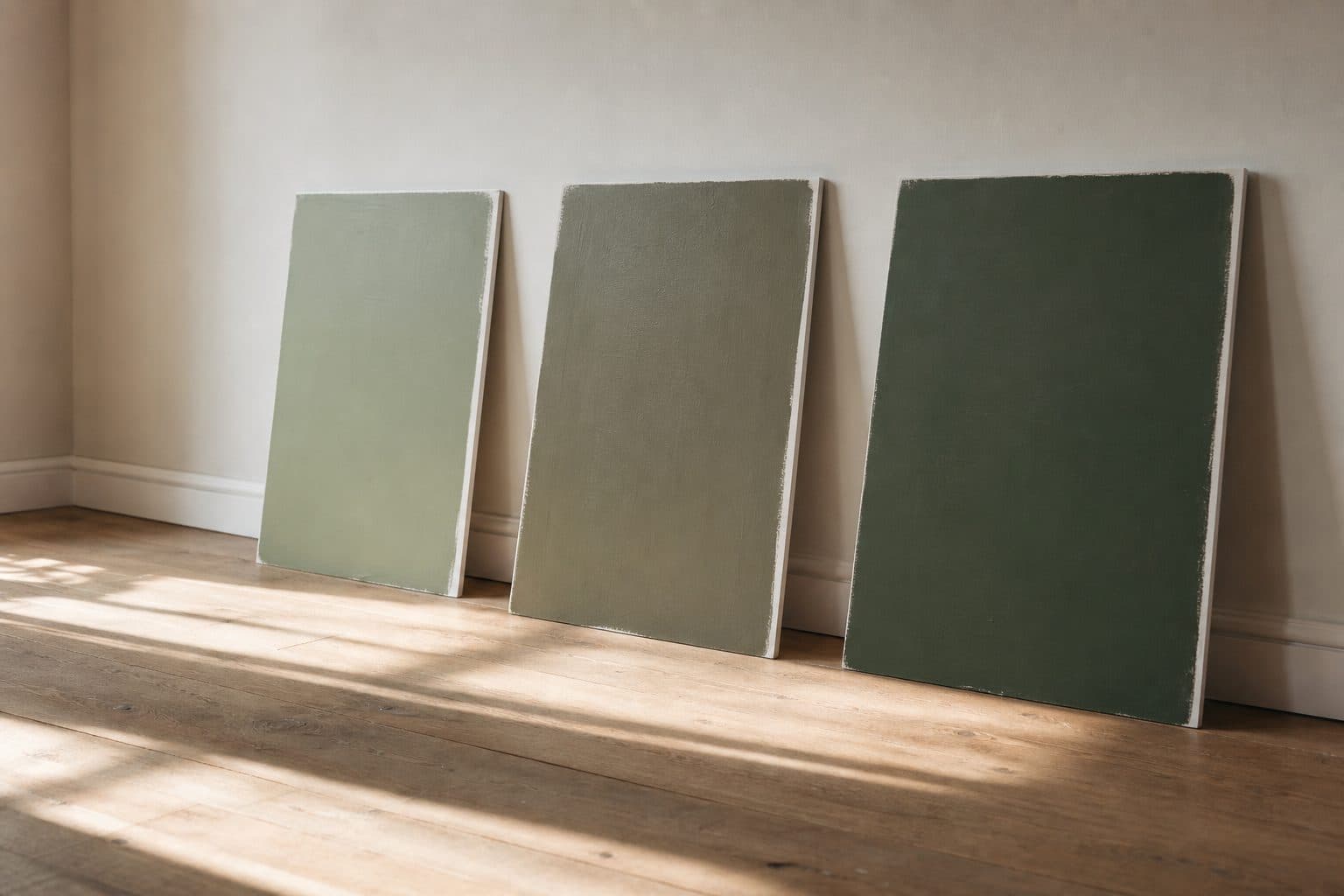
How-to
How to Test Paint Colors Before You Commit: 7 Methods
A routine that narrows ten colours to two before you buy a single sample pot. The AI visualiser is the quick first pass, not the final say.
8 min de leitura
Deep dive
How Does AI Interior Design Work? Why Your Windows Move, and How to Stop It
A single strength dial forces a trade-off between moved windows and near-identical rerolls. Here’s how masked generation separates the two, and where it still falls short.
9 min de leitura